
Introduction
In today’s data-centric world, the role of a data analyst has gained paramount importance across diverse industries. These professionals are instrumental in extracting valuable insights from extensive datasets, empowering organizations to make well-informed decisions and fuel business growth. If you’re contemplating a career in data analysis, you might be pondering, “Is this the right path for me?” In this comprehensive guide, we’ll delve into the essential skills, qualifications, and traits required for a successful data analyst career. Additionally, we’ll provide statistics highlighting the industry’s remarkable growth and demand.

Understanding the Role of a Data Analyst
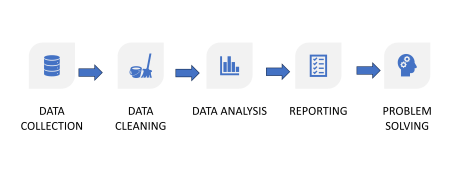
Before we explore whether you possess the qualities for a data analyst career, it’s vital to grasp the role itself. Data analysts play a pivotal part in collecting, processing, and analyzing data to unearth actionable insights. These insights become the bedrock of data-driven decisions, assisting in solving intricate problems and gaining a competitive edge. This multifaceted role encompasses responsibilities such as data collection, data cleaning, data analysis, reporting, and problem-solving. Here are some key responsibilities of a data analyst:
Data Collection: Data analysts gather data from various sources, such as databases, spreadsheets, and online platforms to form as the base of the reports that they would be creating.
Data Cleaning: Raw data is often messy and incomplete and it becomes necessary for data analysts to clean and preprocess the data to ensure accuracy and consistency.
Data Analysis: This is the core of the job. Analysts use statistical techniques and data visualization tools to uncover patterns, trends, and correlations in the data.
Reporting: Analysts communicate their findings through reports, dashboards, and presentations to help stakeholders make informed decisions.
Problem-Solving: Data analysts are problem solvers. They use data to identify and address business challenges and opportunities.
Before delving into the qualifications and skills, let’s take a moment to acknowledge the substantial growth and demand within the data analytics industry. This insight is critical to appreciate the burgeoning opportunities in this field.
Data Analytics Industry Statistics
Before we dive into the qualifications and skills required, let’s take a moment to appreciate the significant growth and demand in the data analytics industry:
Explosive Job Growth: According to the U.S. Bureau of Labor Statistics, employment of computer and information research scientists, which includes data analysts, is projected to grow 22 percent from 2020 to 2030, much faster than the average for all occupations. This reflects the industry’s robust demand for skilled professionals.
Global Market Value: Market Research Future (MRFR) predicts the global data analytics market size to reach USD 132,903.8 million at a 28.9% CAGR from 2016 to 2026 (forecast period). This indicates sustained industry growth and investment.
Industry Diversification: Data analytics is not limited to any specific sector. It spans across industries, including healthcare, finance, retail, and technology, offering diverse career opportunities.
Now, armed with these statistics, let’s explore the qualifications and skills that can help you seize these burgeoning opportunities.
Essential Qualifications and Education
To embark on a successful career as a data analyst, you need to meet some educational requirements and possess certain qualifications. While these qualifications aren’t set in stone, they can significantly enhance your prospects:
- Educational Background:
Bachelor’s Degree: A bachelor’s degree in a related field such as mathematics, statistics, computer science, economics, or engineering is often a minimum requirement for data analyst positions. Many data analysts also hold degrees in business or finance.
Master’s Degree (Optional): While not always mandatory, a master’s degree in data science, business analytics, or a similar field can provide a competitive advantage and open doors to more specialized roles.
- Technical Skills:
Programming Languages: Proficiency in programming languages like Python and R is essential for data analysis. These languages are commonly used for data manipulation, statistical analysis, and data visualization.
Data Tools: Familiarity with data analysis tools such as SQL (Structured Query Language), Excel, and data visualization tools like Tableau or Power BI is crucial.
Statistical Knowledge: A strong foundation in statistics and probability theory is necessary to perform accurate data analysis.
Key Skills and Qualities of a Data Analyst
Beyond formal education, certain skills and qualities form the bedrock of a successful data analyst. These attributes are vital in unlocking your potential in this dynamic profession:
- Analytical Skills:
A robust analytical mindset is a cornerstone for data analysts. It empowers them to break down intricate problems into manageable components and craft data-driven solutions.
- Attention to Detail:
Data analysis is intricate work, demanding an acute eye for detail. The smallest errors in data can lead to erroneous conclusions, underlining the significance of precision.
- Problem-Solving Abilities:
Data analysts are essentially problem solvers. They must adeptly identify and address business challenges, formulating hypotheses and using data to test and resolve these challenges.
- Communication Skills:
Effective communication is pivotal in data analysis. Analysts frequently need to convey complex technical insights to both technical and non-technical stakeholders. Clear and concise communication is key.
- Curiosity:
A natural curiosity to delve into data, uncover insights, and ask probing questions is a valuable trait for data analysts. It fuels the desire to explore datasets and unveil meaningful patterns.
- Adaptability:
The field of data analysis is ever-evolving. Data analysts must stay updated with the latest tools and techniques, displaying adaptability amid changing data sources and technologies.

Practical Experience and Projects
While education and skills are crucial, practical experience and real-world projects can set you apart in the competitive landscape of data analysis. Consider the following avenues for gaining valuable experience:
- Internships:
Consider pursuing internships or entry-level positions in data-related roles. These opportunities can provide hands-on experience and help you build a network within the industry.
- Personal Projects:
Undertake personal data analysis projects to showcase your skills. You can use publicly available datasets to work on real-world problems and create a portfolio of your work.
- Certifications:
Obtaining certifications in data analysis, such as those offered by organizations like Coursera, edX, or Microsoft, can demonstrate your commitment to the field.
Is Data Analysis the Right Career for You?
Now that we’ve explored the qualifications, skills, and qualities required for a data analyst role and seen the promising statistics about the industry, it’s time to reflect on whether this career path aligns with your interests and strengths. Here are some questions to help you determine if you’re a good fit for a career as a data analyst:
Do you enjoy working with data? Data analysis involves working extensively with numbers, statistics, and datasets. If you have an affinity for data and find it intriguing, you’re on the right track.
Are you a problem solver? Data analysts are problem solvers at their core. If you enjoy tackling complex issues and using data to find solutions, this career suits you.
Are you detail-oriented? Data analysis requires meticulous attention to detail to ensure data accuracy and reliability.
Do you have strong analytical skills? The ability to analyze data, identify trends, and draw meaningful conclusions is central to this role.
Are you willing to continuously learn and adapt? The field of data analysis is dynamic, with new tools and techniques emerging regularly. Being open to continuous learning is essential.
Can you communicate effectively? Data analysts need to convey their findings to both technical and non-technical stakeholders. If you can communicate complex information clearly, it’s a valuable skill.
Conclusion
A career as a data analyst holds substantial promise for individuals who bring the right blend of education, skills, and qualities to the table. With the industry experiencing rapid expansion and a constant demand for skilled professionals, there has never been a more opportune time to explore this career path. It is widely known that formal education and qualifications are instrumental in building the career path as data analyst but practical experience and personal projects add a distinctive edge to your profile in a competitive job market. If you’re ready to embark on this exciting journey, start by sharpening your skills, building a robust portfolio, and actively seeking opportunities within the dynamic world of data analysis. With dedication and perseverance, you can thrive in this dynamic and data-driven profession.
So, if you are considering a career as a data analyst and find yourself aligned with the outlined criteria, take the next steps towards your data-driven dreams and be part of an industry that continues to shape the future. ProEx Labs, equipped with experienced Data Analysts, can be your trusted partner, aiding you in comprehending and addressing business challenges, ensuring robust support for your evolving business needs.